Style
Shared Map Calls That Steer Teams
In small gaming groups, minimap awareness often gets treated like a test of eyesight: if you are “good at maps,” you are expected to notice everything and call it out…
4 min readSwf Spectacular explores the craft and language of animation, helping curious viewers notice how images move, stories unfold and styles take shape.
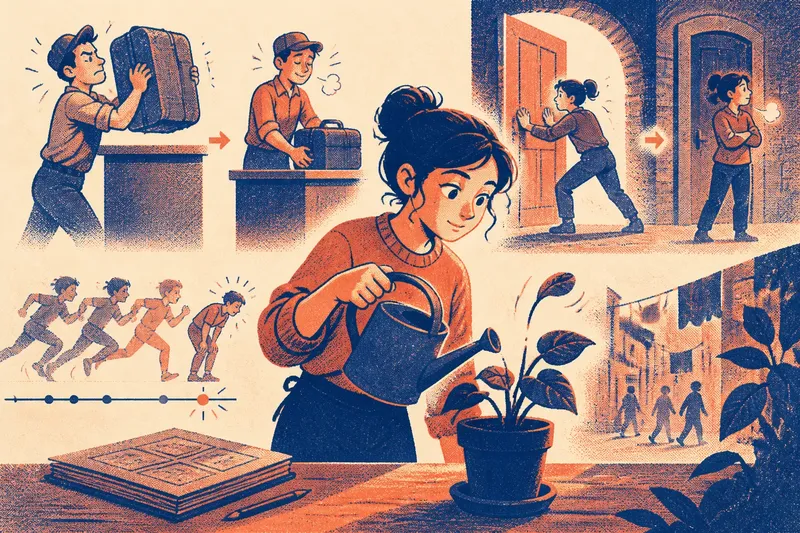
See how pause length and placement shape animated motion, making a lift feel effortful, a glance tense or a still…
In small gaming groups, minimap awareness often gets treated like a test of eyesight: if you are “good at maps,” you are expected to notice everything and call it out…
4 min readA constructive gaming community is not defined by flawless wins. It is defined by what happens after a winnable match slips away. In the healthiest groups, an avoidable error does…
4 min readThe hardest part of fighting-game practice is not finding time or even finding an opponent. It is noticing the small mistake that keeps happening and turning it into something you…
5 min readThe first thing most players notice in a battle royale is how often a landing plan fails before the match even really starts. One lobby can be crowded, the next…
4 min readTournament lobby formats do more than organise matches; they quietly shape how a group thinks. When players have different levels of experience, the lobby is often the first place where…
4 min readMission equipment choices matter most when they are not treated as a shopping exercise. For a duo, especially when one player is still learning and the other already knows the…
4 min readIn many adventure games, inventory trouble does not come from having too little space. It comes from packing without a plan, then paying for that decision halfway through a run…
5 min readWhen a fighting-game player wants to improve one specific skill, the hardest part is often not execution but planning. The temptation is to play a long set, hope the problem…
4 min readIn simulation games, supply routes often look like a background detail until a group tries to run one with mixed experience. Then the whole system becomes a live test of…
5 min readWhen a rhythm-game team cannot use voice chat, practice often goes wrong for a simple reason: everyone keeps waiting for someone else to explain the miss. The result is familiar.…
5 min readWhen an experienced group steps into a new challenge, map landmarks can feel like the simplest thing to trust and the easiest thing to misuse. A tower, bridge, statue, split…
5 min readThe easiest way to review beginner party roles is to treat the session like a short check-in, not a full rebuild. Picture a mixed-skill group logging in for a fifteen-minute…
4 min readWhen a role-playing team changes jobs, movement controls can feel like the first thing to fall apart. A healer who used to hang back may suddenly need to kite, a…
5 min readReturning to a simulation game after a long pause often exposes a strange problem: the map is familiar, the systems still make sense, but the supply network you built no…
6 min readThe easiest way to improve digital-sports positioning without voice chat is not to try to say everything with pings; it is to reduce the number of decisions you ask the…
5 min readIn digital sports, positioning is often treated like a hidden stat, but it is really a pattern of decisions made under pressure. A player is not just standing in the…
5 min readWhen a squad with mixed experience loads into a battle royale, landing choice often decides whether the match feels calm or chaotic. The fastest way to make sense of that…
5 min readSmall community game nights often fail for a reason that sounds noble: people want everyone to have fun, so they avoid calling out what went wrong. That sounds kind, but…
4 min readArena objectives look simple until a mixed-experience team tries to hold them under pressure. In our scenario, one player already knows the map routes and spawn timings, while the other…
4 min readA small gaming community rarely fails because its members dislike the game. More often, it frays because every session feels slightly different from the last. One night everyone swaps roles…
4 min readWhen a team changes roles in an online game, cosmetic customization can seem like the least important topic in the room. Yet appearance choices often shape how quickly players recognise…
4 min readMap rotations are easiest to improve when you stop treating them as guesses and start treating them as a repeatable skill. In team games, a rotation is not just movement…
4 min readWhen a cooperative survival group enters an unfamiliar map, the first problem is rarely the enemies. It is usually the slow confusion around food, materials, and who is expected to…
4 min read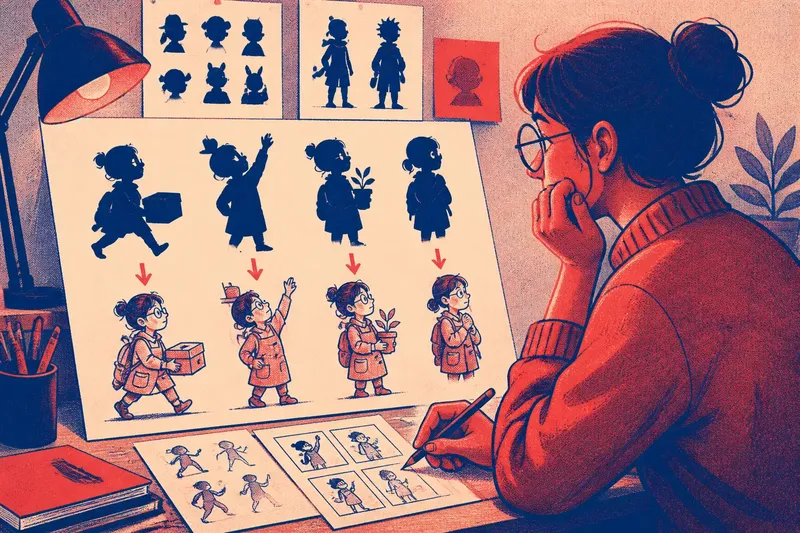
Learn how animated character silhouette and detail work together, so you can shape a design that reads clearly at a…
7 min read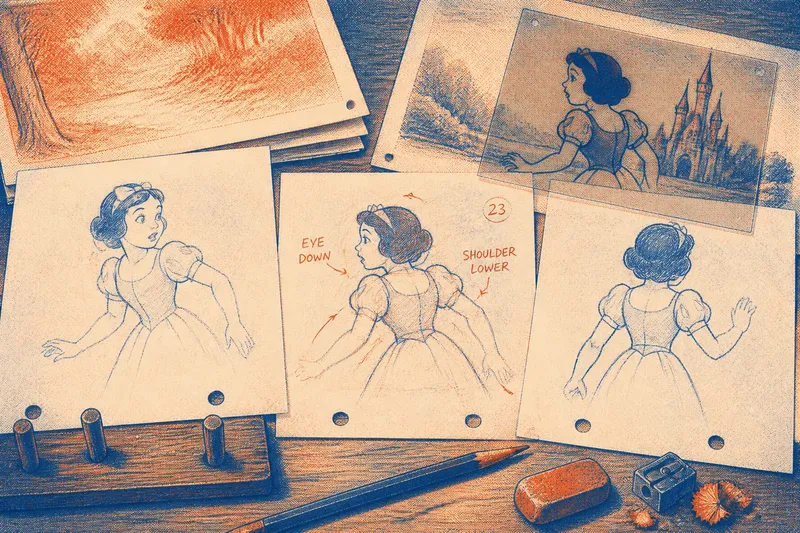
Drawing animation on paper reveals how artists planned movement, revised poses and prepared scenes for the camera…
5 min read
Animation continuity keeps a scene readable while selective changes in light, props and layout give a character’s…
5 min read
Plan a first-time animation festival visit around a few films, useful visual questions and breathing space, so you can…
7 min read